Sony FX5: the mini BURANO the Cinema Line needed
A brand-new stacked 5K sensor, 3:2 Open Gate and internal X-OCN RAW. Tech that until yesterday lived in VENICE, in a body barely bigger than an FX3. I've been shooting with it — here's the full breakdown.

Sony just launched the FX5, its new full-frame cinema camera, and it brings what the mid Cinema Line had been begging for: an all-new sensor with 3:2 Open Gate and internal X-OCN RAW — technology that until yesterday lived in VENICE and BURANO, now in a body almost the size of an FX3. I’ve been shooting with it for a while and I’m not exaggerating: this doesn’t feel like an updated FX. It feels like a different family. Let’s go through it in detail.
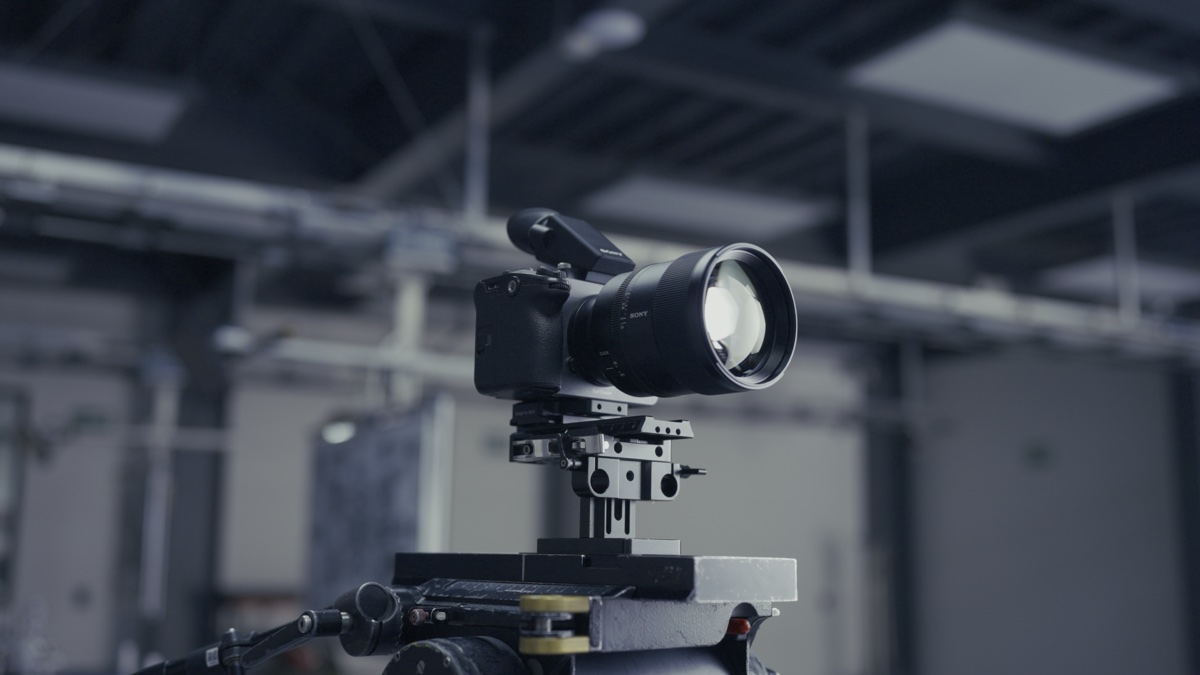
The facts, at a glance
- Full-frame 5K Exmor RS CMOS sensor, back-illuminated and fully stacked, ~16.6 MP (4992×3328) — new and unique in the Cinema Line — with the BIONZ XR2 processor and a built-in AI unit
- 3:2 Open Gate at 5K, plus 5K modes in 17:9 and 16:9
- Internal X-OCN LT: 16-bit linear RAW, and light. External RAW also available
- XAVC S-I and HS (All-Intra and Long GOP) up to 240 fps
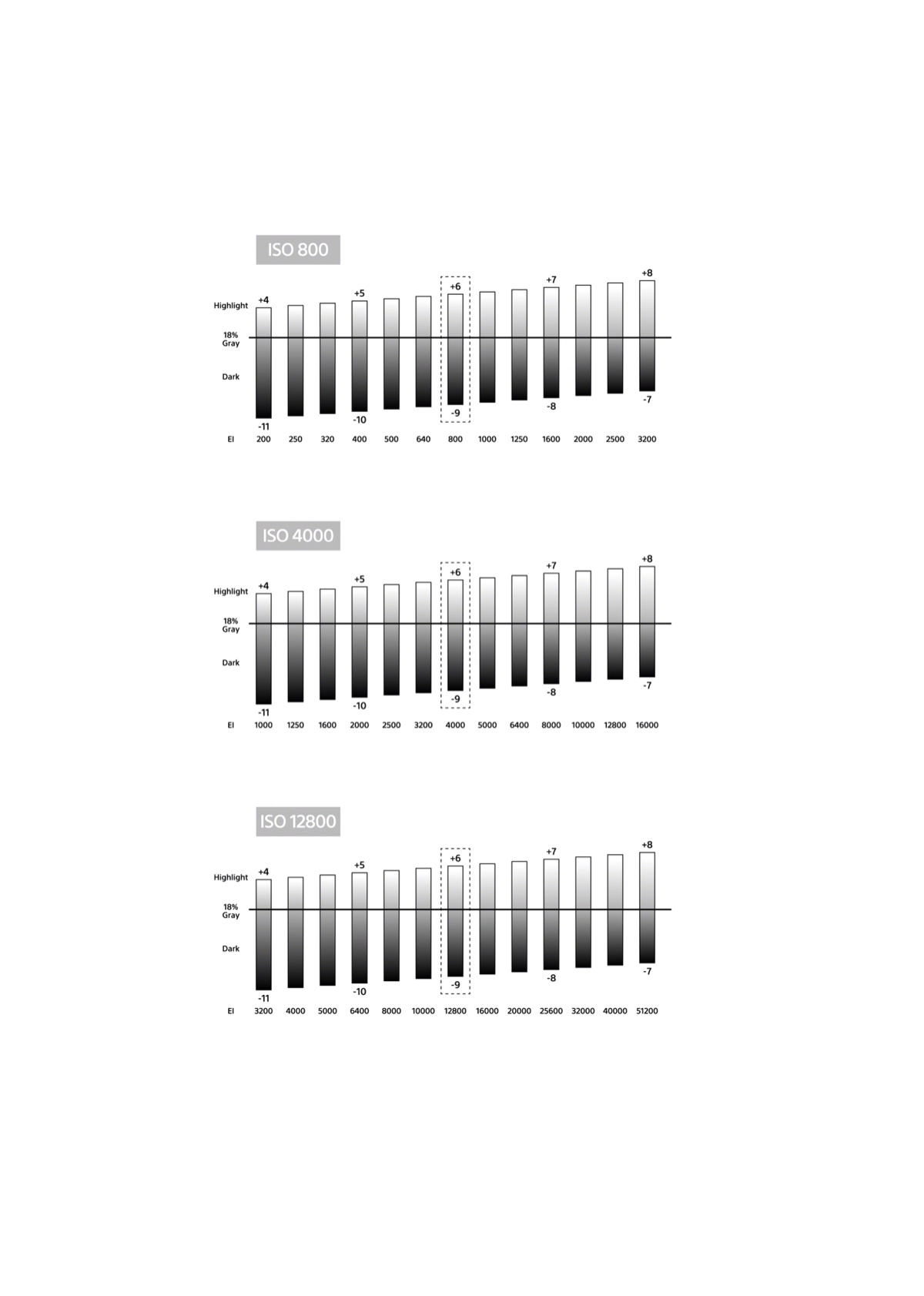
- 3 base ISOs: 800, 4000 and 12800 — same dynamic range — and Dual Gain at base 800. No internal NDs
- Removable OLED viewfinder: 0.58”, ~7.07M dots, ~DCI-P3 gamut, 10-bit, HDR monitoring, tilts 0-90°
- Waveform, vectorscope and multiple types of False Color
- XLR-H2 top handle: 32-bit float audio at 96 kHz, 4 channels at different gains
- Active cooling (clips up to 24 hours), timecode over USB-C, Wi-Fi 6E and 2.5GbE LAN, CFexpress Type A or SD (UHS-I/UHS-II), E-mount, more buttons, and batteries ~30% longer-lasting
- It’s a cinema/video camera: it doesn’t shoot stills
The sensor: why “stacked” is the word that matters
The heart of it all is a sensor that didn’t exist in any other Sony camera: full-frame 5K, back-illuminated and fully stacked. Do the math on its 4992×3328: that’s exactly 3:2 — this sensor was born for Open Gate, it wasn’t bolted on later. Why does that matter? In a stacked sensor, memory and processing live right on top of the silicon that captures light: readout gets much faster, which translates into less rolling shutter on pans and fast movement, and plenty of headroom for the BIONZ XR2 and its AI unit to do their job — subject-aware autofocus, real-time exposure tools — without choking.
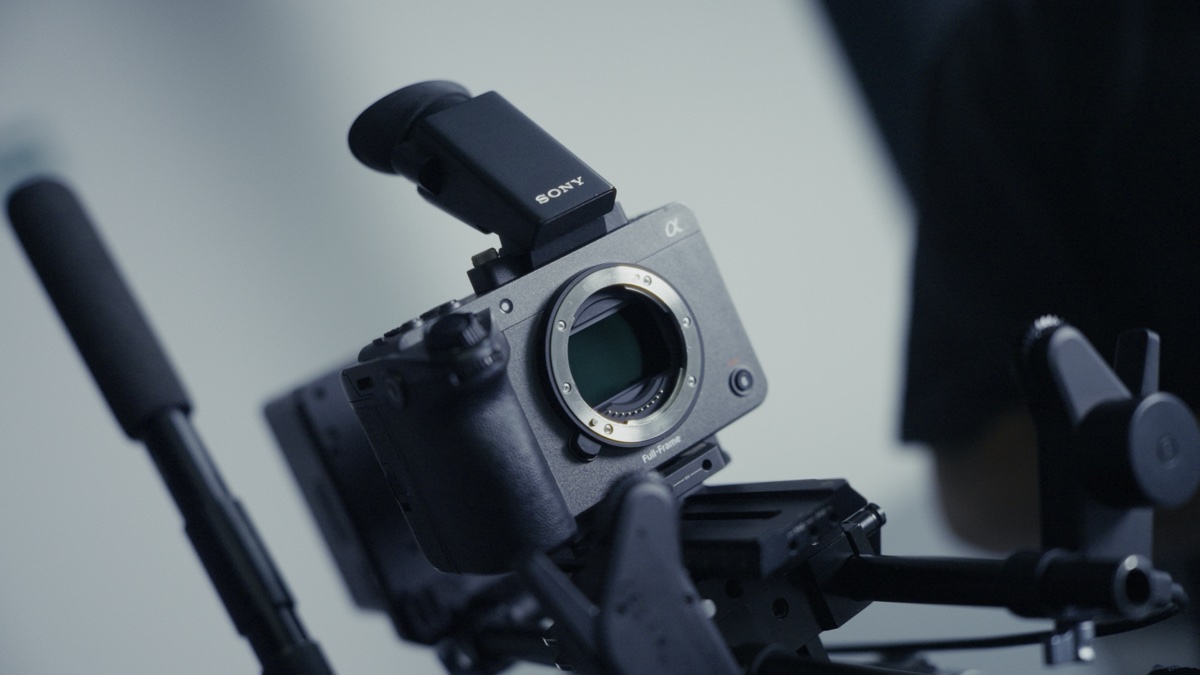
And one fact that defines its character: this camera doesn’t shoot stills. Sony decided the FX5 would be cinema and video, period. The ~16.6 MP sensor isn’t there to brag about megapixels — it’s sized for 5K video with big photosites.
3:2 Open Gate: the full sensor, VENICE-style
Open Gate was THE feature separating VENICE from the rest of the family. Recording with the sensor’s full 3:2 area — taller than any 16:9 — means two things on a real production: anamorphic without wasting sensor (the desqueeze uses all that height), and one master that delivers everything: scope for cinema, 16:9 for TV, 9:16 for social, 4:5 for wherever — you reframe in post without losing resolution, because you started with more image.
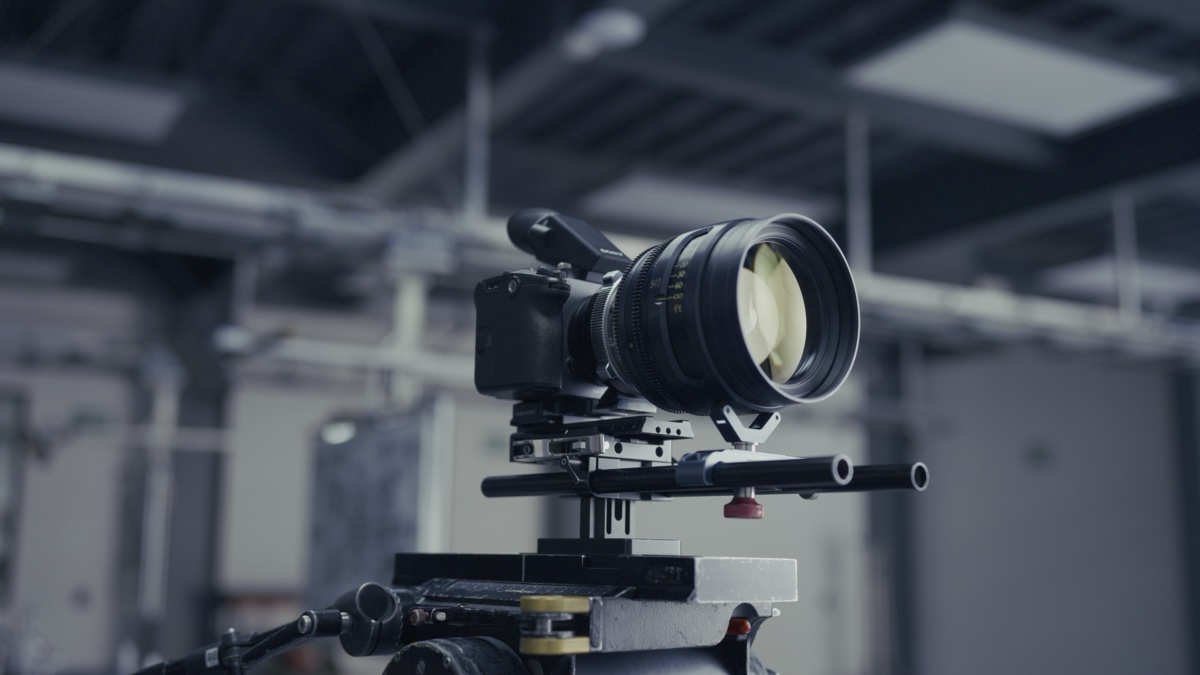
Below that you get 5K in 17:9 and 16:9, and the usual codecs — XAVC S-I (All-Intra, edit-ready) and XAVC S-HS (Long GOP, card-friendly) — with high frame rates up to 240 fps for serious slow motion.
Internal X-OCN: the digital negative, explained
Here’s the big news for post. X-OCN (eXtended tonal range Original Camera Negative) is the RAW format of VENICE and BURANO: 16-bit linear per channel. To put that in scale: a 10-bit log codec describes each pixel with 1,024 values; 16-bit linear works with 65,536. That’s the difference between “the sky gradient broke in the grade” and “push it wherever you want, the information is there.”
The clever move is the LT tier: it’s the light variant of X-OCN, designed precisely so that shooting RAW doesn’t mean going broke on cards and drives. A real digital negative with civilized file sizes — and if your pipeline calls for it, there’s external RAW too.
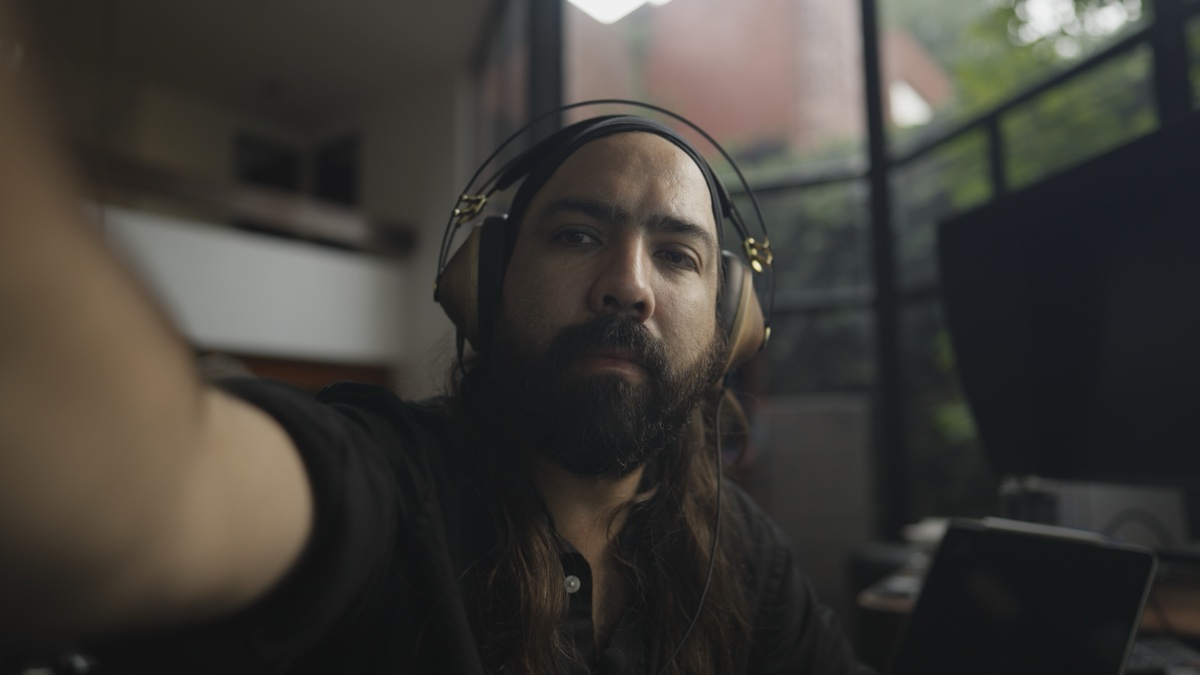
In post it goes into DaVinci Resolve, Premiere and Sony’s RAW Viewer — public support for this version of LT lands in the apps within about a week; I worked with the early builds. In my video series we build the full workflow, from capture and exposure all the way to a DCP projected in a theater.
3 base ISOs + Dual Gain: built for the night
The FX5 brings three base ISOs: 800, 4000 and 12800 — the same dynamic range at three different sensitivities. These aren’t “boosted” ISOs: they’re three native operating points of the sensor. (And heads up: base ISO is not the same as Exposure Index — EI is the index you monitor with, redistributing your stops without touching the negative; I break that down in the video.)
On top of that comes Dual Gain, which I showed you in my a7R VI video: a dual readout of the pixel, combined to protect shadow cleanliness — where noise lives — and guard the range at the bottom of the curve. Available at base 800. Watch the shadows in this comparison:
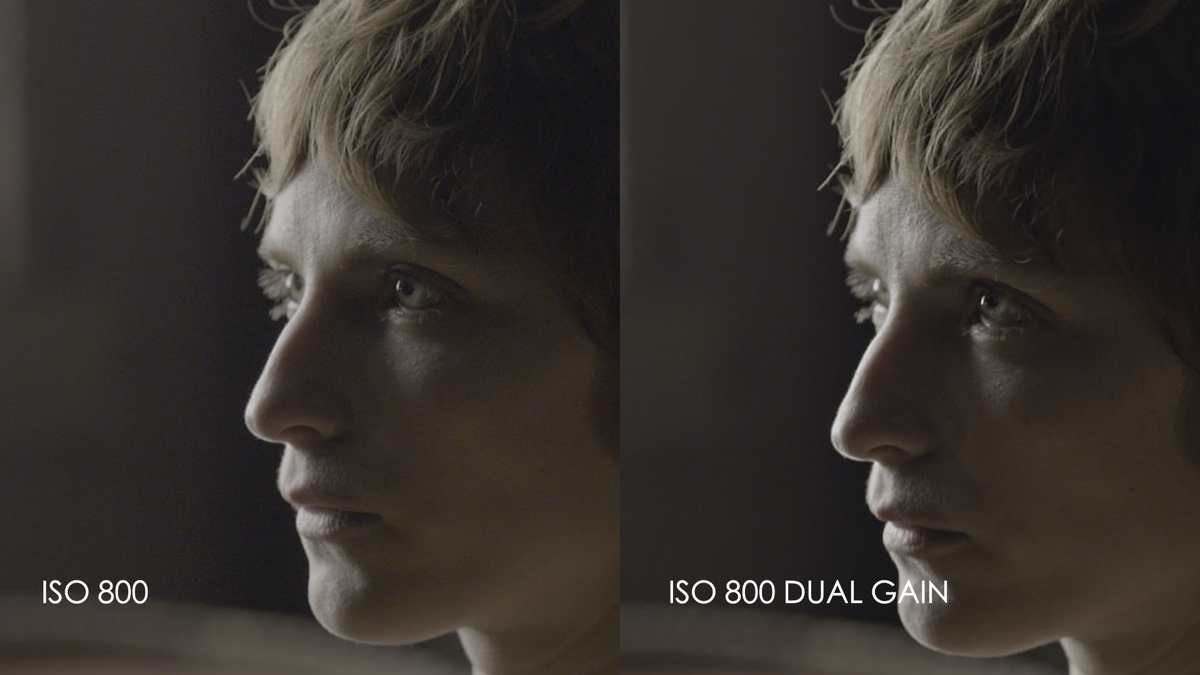
What it doesn’t bring: internal NDs. Front filters and a matte box, period — my thoughts on that trade below.
False Color: it’ll be very hard to get it wrong
Waveform, vectorscope, and now multiple types of False Color, in camera. If you come from film sets you know what this is worth: false color paints every zone of the image by exposure level — skin in its zone, highlights flagged, shadows about to die in another color. When you’re exposing log or RAW, where monitoring lies to you, it’s the tool that kills the guesswork.
See it on the same frame — first the normal s709 view, then painted by False Color with the SLog3 scale on the side:
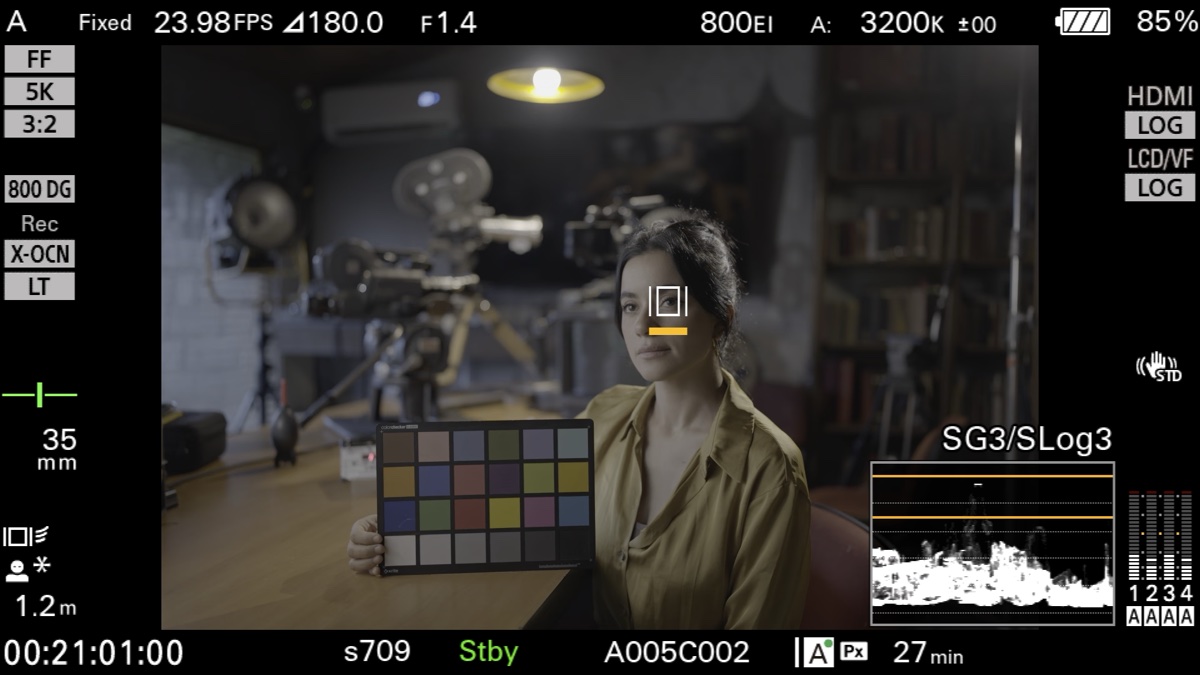
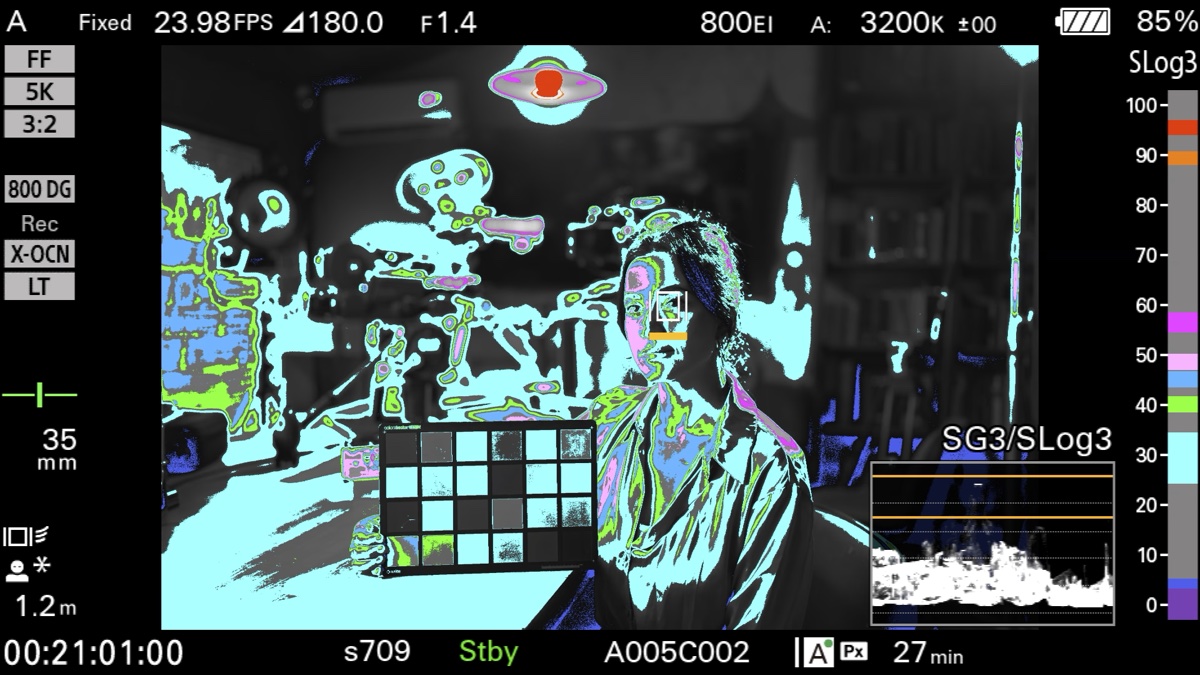
Combined with the new viewfinder, it will be very hard for anyone to blow exposure on this camera.
The viewfinder and the body: set tools, not catalog specs
The removable OLED viewfinder deserves its own paragraph: 0.58”, ~7.07 million dots, DCI-P3-equivalent gamut, 10-bit display and HDR monitoring. That’s small-reference-monitor color and detail, at your eye, tilting from 0 to 90 degrees — great for low angles. And since it’s removable, on a gimbal or a small rig the camera stays clean.
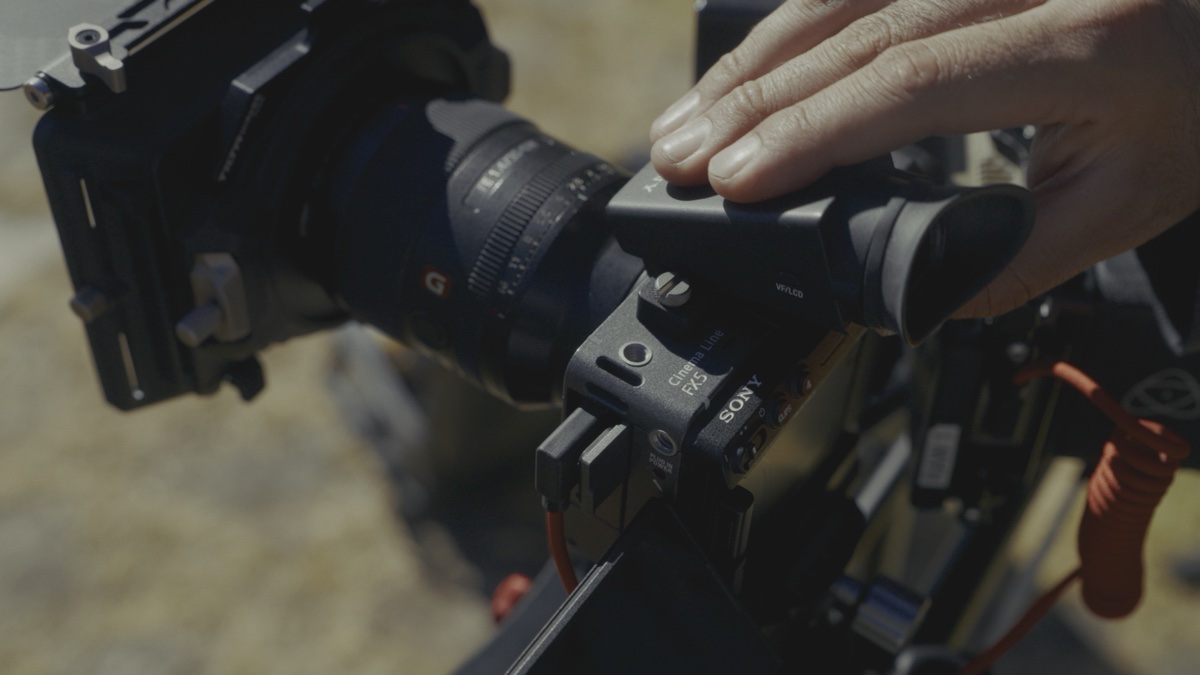
The body is light, almost FX3-sized, with more direct buttons and active cooling: it doesn’t overheat, it doesn’t shut down — it can record clips up to 24 hours if you had a card that big. The menu is practically BURANO’s, including the Big 6: the classic screen where the AC or operator sees and changes the six parameters that matter without diving into menus. Serious connectivity — Wi-Fi 6E and 2.5GbE LAN —, timecode over a USB-C cable, and the same cards as always: CFexpress Type A or SD. The batteries are the new a7R VI ones, ~30% longer-lasting: mine survive half a shoot day of powering on and off.
Audio: 32-bit float, the end of “it clipped”
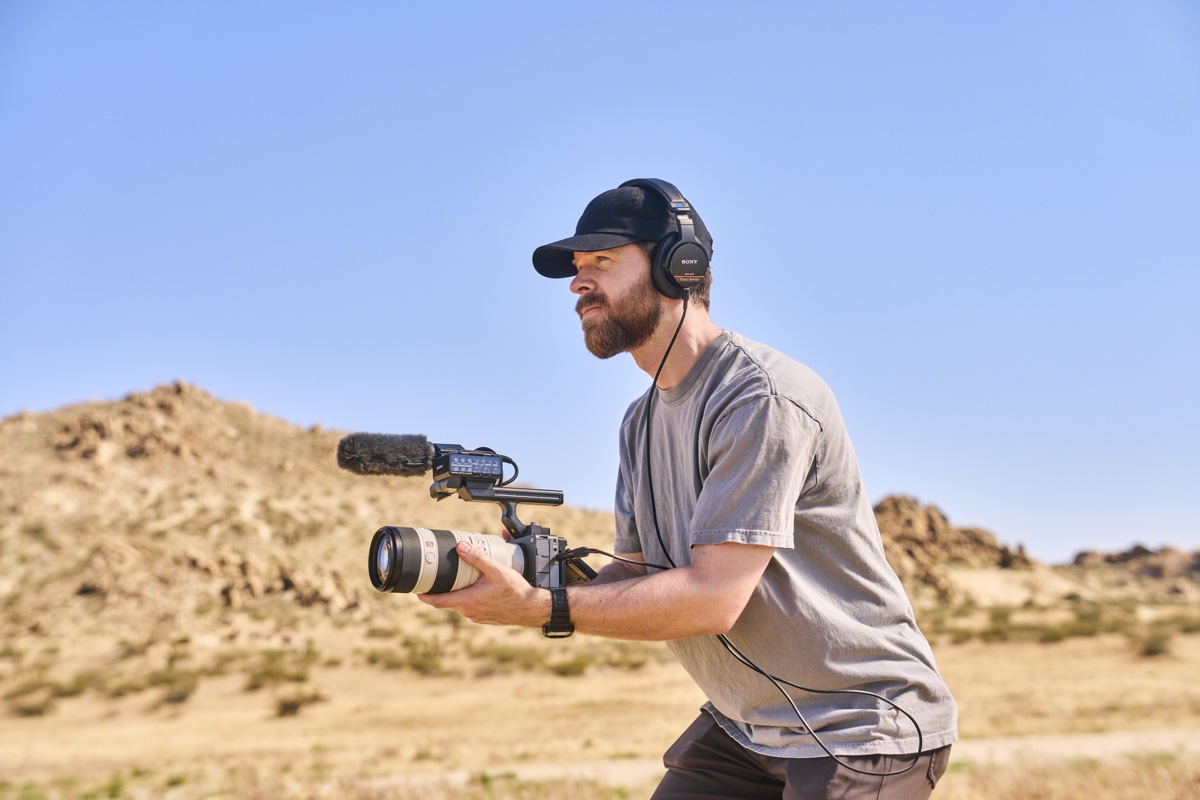
The new XLR-H2 top handle records 32-bit float at 96 kHz, with 4 channels at different gains as safety channels. Float changes the rules: the range is so vast that a scream that would clip at 24-bit gets recovered in post by pulling a fader. For documentary — where the world doesn’t wait for you to set levels — it’s a life insurance policy.
LATAM read
The spec list isn’t the point — where this camera lands is. Internal X-OCN in this segment changes the post conversation for independent production: a 16-bit digital negative that forgives in the grade what a compressed codec won’t, with files that don’t force you to buy a new RAID. For fiction and documentary in Mexico and Latin America, where the data and color budget is always the first to bleed, that’s real money.
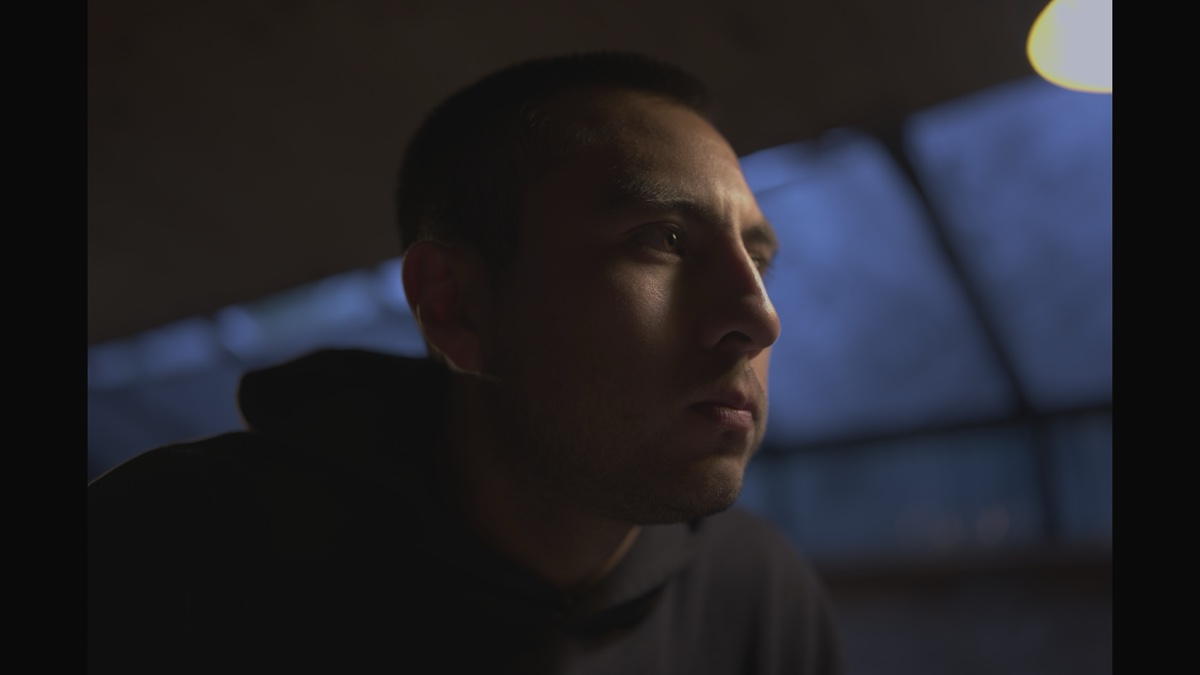
The 3 base ISOs with Dual Gain are a statement of intent: this camera is built to shoot at night, in real interiors, without a truck of lights — the documentary and indie set, not just the studio. And the BURANO menu with Big 6 tells me who it’s for: Sony is assuming the FX5 lives on sets with an AC and a DIT, not only in a solo operator’s hands. In LATAM rental houses, that makes it a natural A-cam candidate for projects that until yesterday demanded much more expensive bodies — and yes, you’ll surely see it on the Netflix approved camera list soon.
The catch? No internal NDs. Outdoors that means matte box and filters, no way around it — for gimbal work and run-and-gun documentary it’s the one place where the FX5 makes you work harder.
My personal opinion — Daniel Blanco A.M.C.
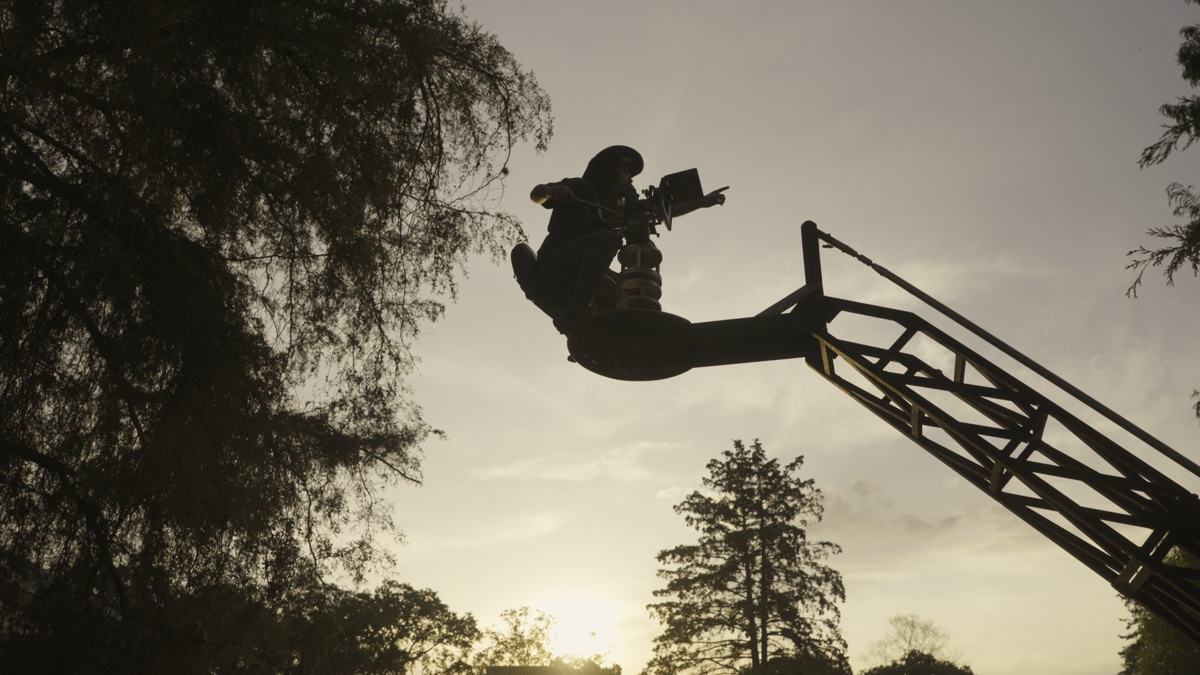
I’ve been using it for a while and I can tell you it feels nowhere near an FX3 — which was already a good camera. It feels new: the footage is deeper in post, better to work with on set, in fiction and in documentary. If I had to compare it to something, it would be a small BURANO or VENICE. It feels different. You know what I mean.
Try it yourself: clips and projects, coming soon to Downloads
I’m not asking you to take my word for it — I want you to push this footage on your own machine. I’m preparing FX5 camera clips (X-OCN LT and XAVC) and ready-made DaVinci Resolve and Premiere projects with the series’ full workflow, so you can download them, push them in the grade and judge for yourself how deep this negative goes. They’ll live in the Downloads section — coming soon, as soon as Sony gives me the green light to upload them. The listings are already up so you can keep them on your radar.
The full series: 16 videos, from sensor to DCP
I made a 16-video series for this camera — this is just episode 1, with a new one dropping every week. Every new feature gets its own episode: the sensor technology, color spaces, frame rates, codecs, and the complete post pipeline, from capture and exposing X-OCN all the way to the cinema screen as a DCP, with the workflow in DaVinci Resolve, Adobe Premiere and Sony’s RAW Viewer.
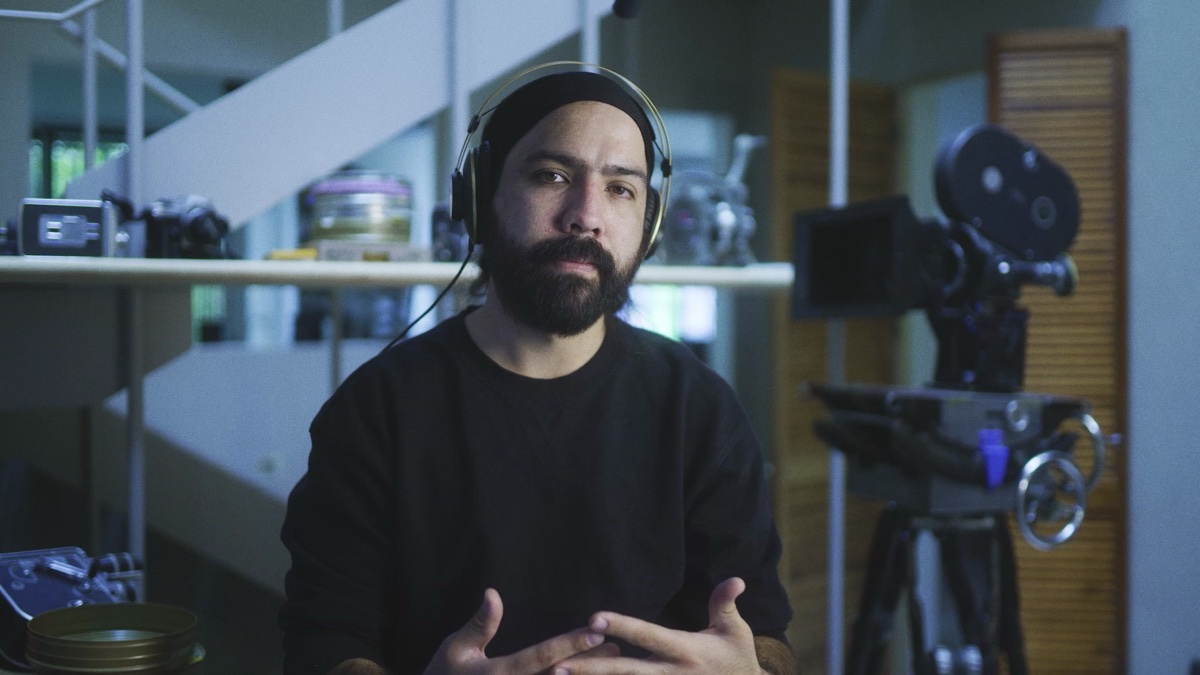
Follow along so you don’t miss the episodes:
- YouTube — @DanielBlancoAMC: the full series lives here
- Instagram — @cachephoto.magazine: cutdowns and everything as it drops
- TikTok — @cachephoto
What do you think? What’s missing, what else do you want to see? Do internal NDs stop you, or are you happy living with a matte box? See you in the comments — and the first episode of the series is right below 👇
Image: Daniel Blanco A.M.C. / Courtesy of Sony
Original source: Sony
A discount for you at Sony Store (all of LATAM): use code SONYCACHE. Want an extra 10%? SONYCACHE10 activates only a few days each month and only on the priciest gear — worth hunting. And if you are making a personal or company purchase, write me and I will help you get a better deal.
Comments
Sign in to comment