
Drones keep evolving, and the DJI Air 3S shapes up as a standout option for photographers and videographers after quality, versatility and advanced tech in a compact package. With improvements in sensors, optics and battery life, it’s ideal for travel, documentaries, architectural photography and professional content creation.
Bigger sensor and dual optics: versatility in the air
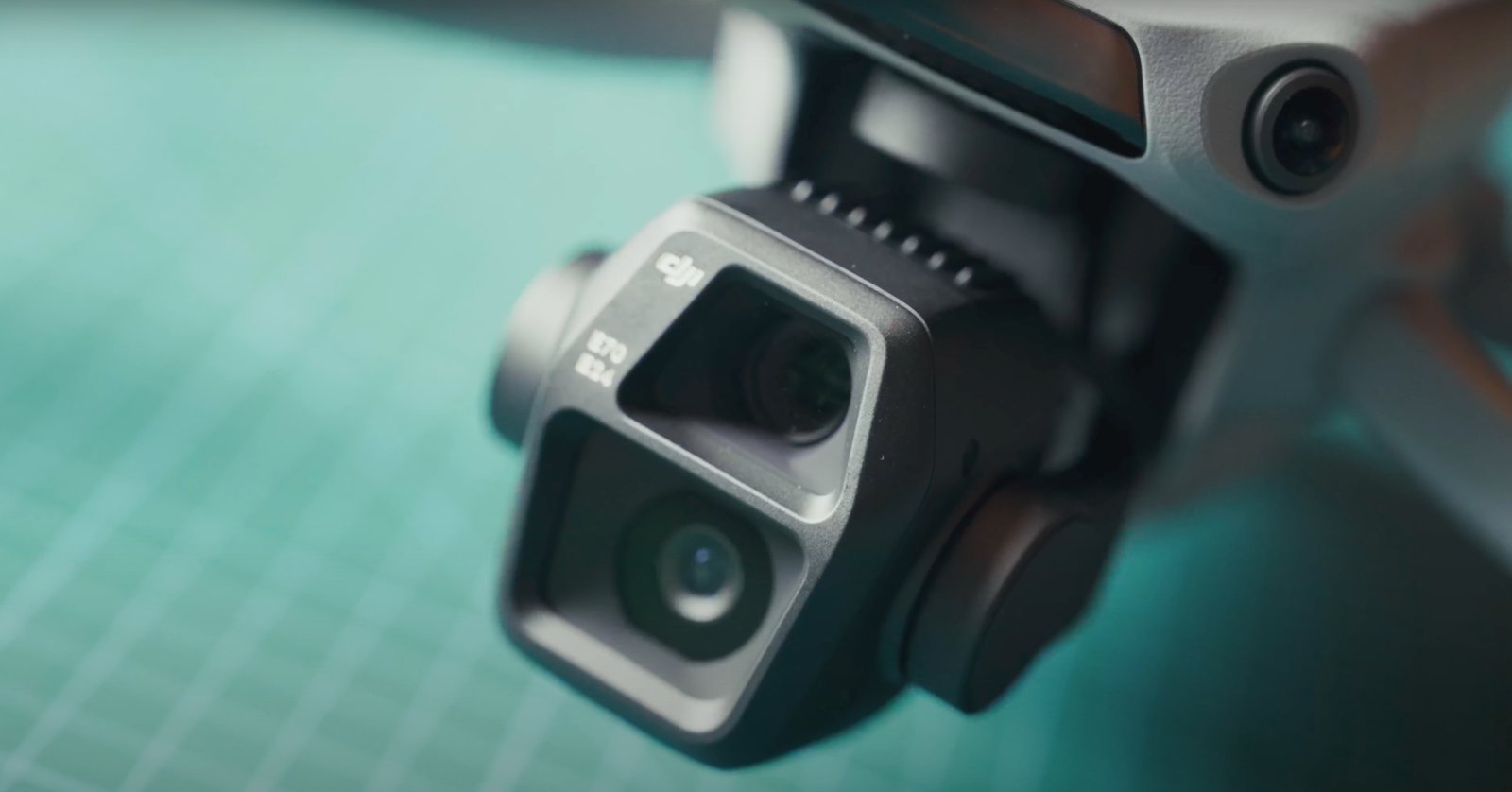
One of the biggest advances on the DJI Air 3S is its 1-inch main sensor, capable of capturing 50-megapixel images and 4K video up to 120 fps. The sensor pairs with a 24mm-equivalent wide-angle lens at f/1.8, delivering detailed images even in low light.
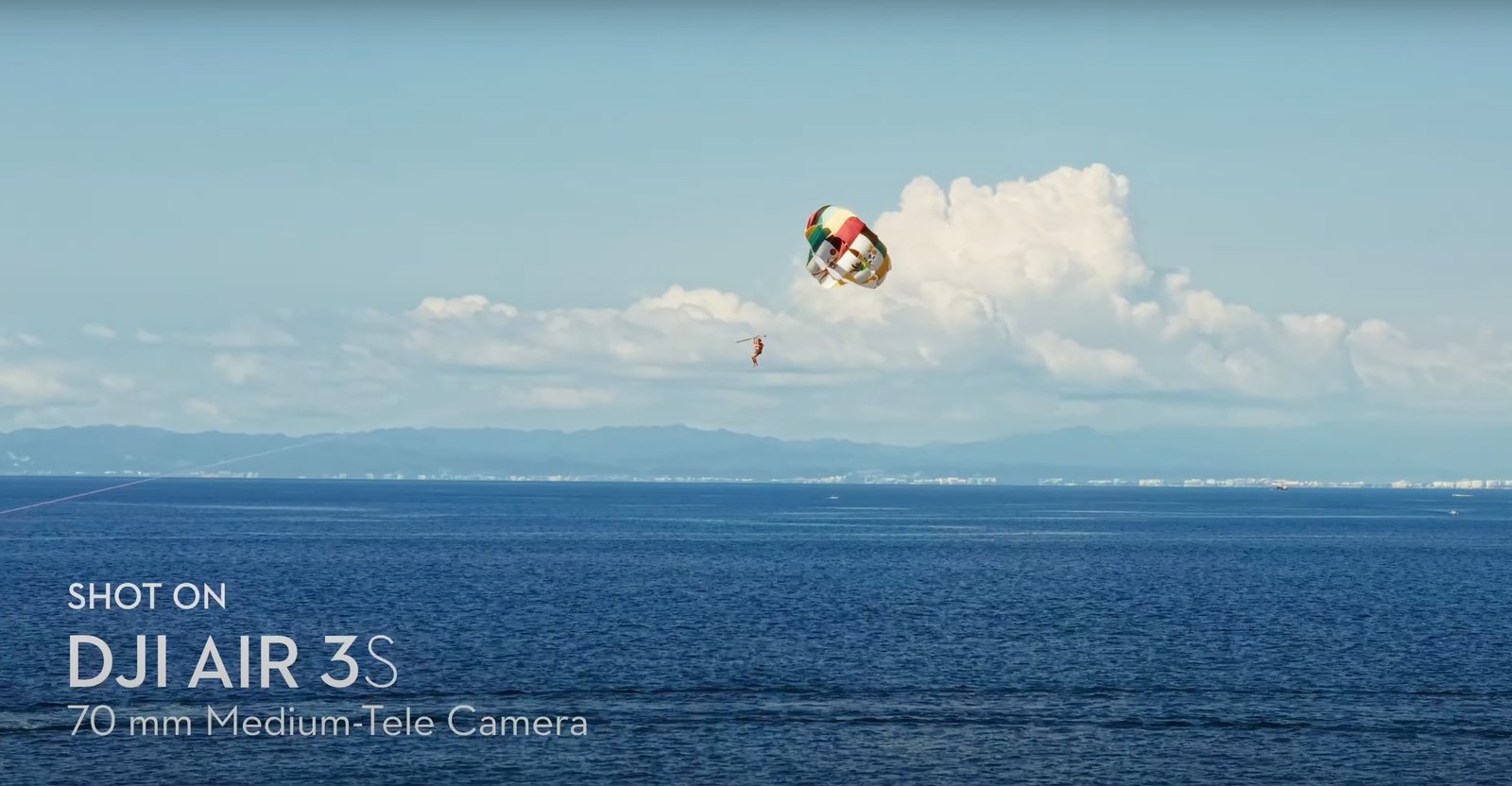
It also adds a second sensor with a 70mm telephoto lens at f/2.8, perfect for capturing images with more depth, creating cinematic parallax effects and getting more compact shots without getting too close to the subject.
This lens combination makes the Air 3S a powerful tool for different styles of aerial photography — from action and landscapes to documentaries and architecture.
Image quality and post: professional 10-bit video
The DJI Air 3S offers advanced post options with support for D-Log M and HLG, capturing wider dynamic range and optimizing the image in the edit. It also supports 10-bit recording, which reduces banding and improves color gradients, especially in skies and landscapes with high tonal variation.
The drone also supports the H.264 and H.265 (HEVC) codecs, with efficient compression that keeps image quality at smaller file sizes.
Battery life and flight performance
This model can stay airborne up to 45 minutes in ideal conditions, a major improvement for longer flights and more planned captures. Its top speed reaches 75 km/h in normal conditions and up to 97 km/h with a tailwind, letting you follow moving subjects or pull off dynamic, high-impact shots.
With an operating temperature of -10 °C to 45 °C, the Air 3S is a rugged option for flights in different environments, from cold mountains to extreme heat.
Safety and advanced navigation
The DJI Air 3S integrates LiDAR, infrared and visual sensors in multiple directions (front, rear and bottom), improving night navigation and flight in complex environments. It also features the Next Gen Smart RTH (Nighttime Return to Home), allowing automatic return even in low-signal or no-satellite-connection situations.
Built-in storage and expandable memory
A practical detail is its 42 GB of internal memory, which can save the day when the SD card fills up or gets left behind. That’s roughly an hour of 4K recording at 24 fps, or 1,600 RAW photos.
Who is the DJI Air 3S for?
This drone is built for:
-
Content creators after a versatile, professional tool.
-
Travel photographers and videographers who need lightness without sacrificing quality.
-
Documentarians and filmmakers who need multiple optical options in the air.
-
Architects and urban planners who want to capture structures precisely.
With its combination of advanced sensors, optimized flight time and post-production tools, the DJI Air 3S is a solid choice for anyone looking to take aerial photo and video to the next level.
What do you think of this new model? Would you like to try it on your projects? Drop a comment and let’s talk about what this drone can do in audiovisual production. 🚀📷
Comments
Sign in to comment