
Sony a7V: hybrid performance with a focus on speed and intelligence
The Sony a7V is the logical evolution within the Alpha line, with a clear focus on improving overall performance for stills and video without giving up portability. Its headline change is a 33 MP full-frame, partially stacked (semi-stacked) sensor that improves readout speed without the cost of a fully stacked sensor. That change cuts rolling shutter noticeably, especially in video.

The new BIONZ XR processor with a dedicated AI unit brings real autofocus gains: tighter tracking, more complex subject detection (even in crowds or with obstacles), and features like auto-framing in video. For stills, it hits up to 30 fps with the electronic shutter and 10 fps mechanical, without compromising exposure or tracking.
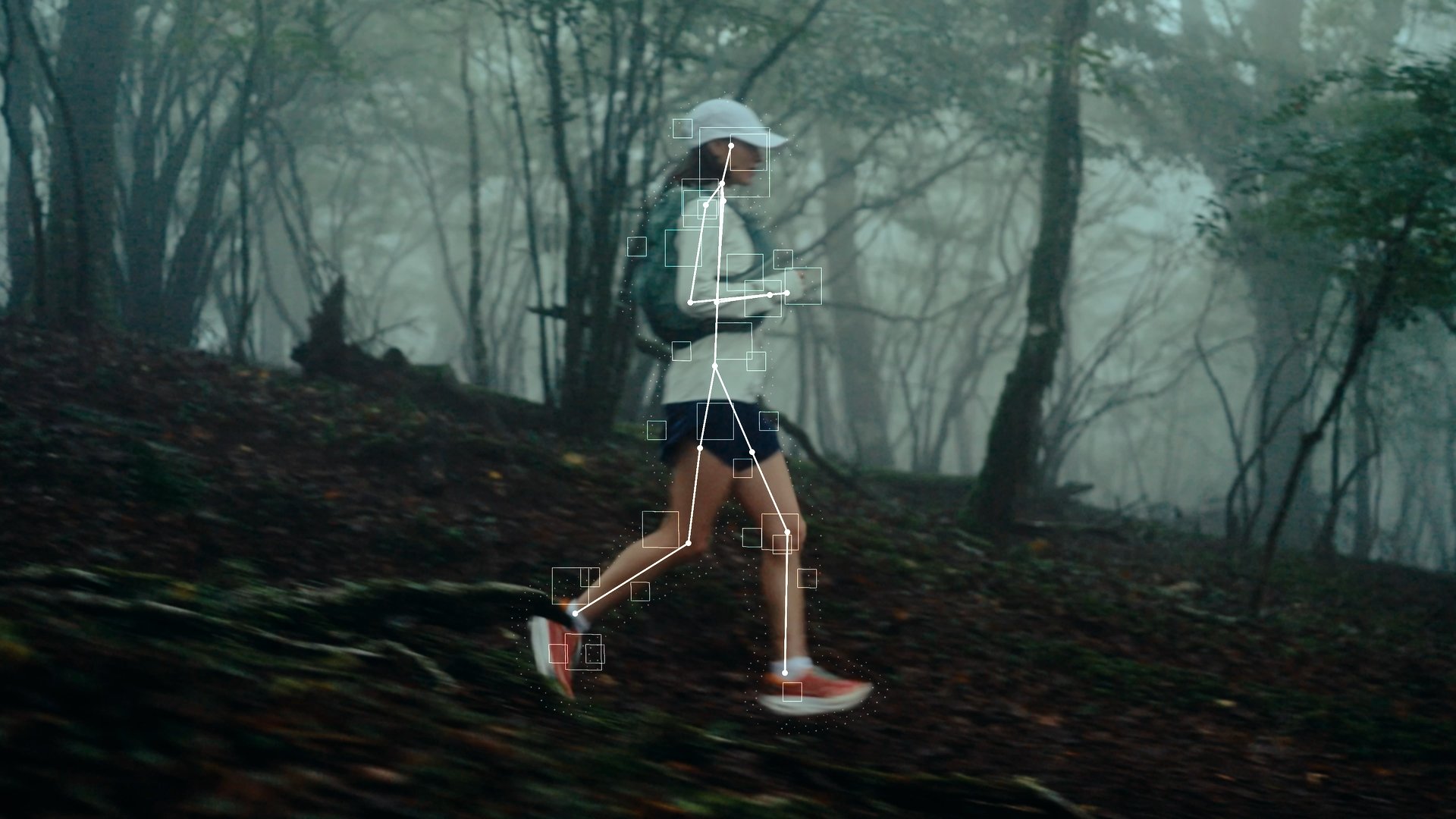
4K 60p oversampled from 7K full-frame (or 4K 120p in APS-C crop) makes the a7V a viable option for mid-tier productions. Stabilization improves up to 7.5 stops, and the fully articulating screen is welcome. The body, while familiar, brings subtle ergonomic tweaks and keeps compatibility with NP-FZ100 batteries and CFexpress Type A cards.
What users and pros are saying
Reactions to the a7V have been mostly positive, especially from hybrid shooters who move between photo and video. The AI-driven autofocus stands out as a clear step up over previous generations. The improved rolling shutter and the cleaner, less-compressed video have also been well received.
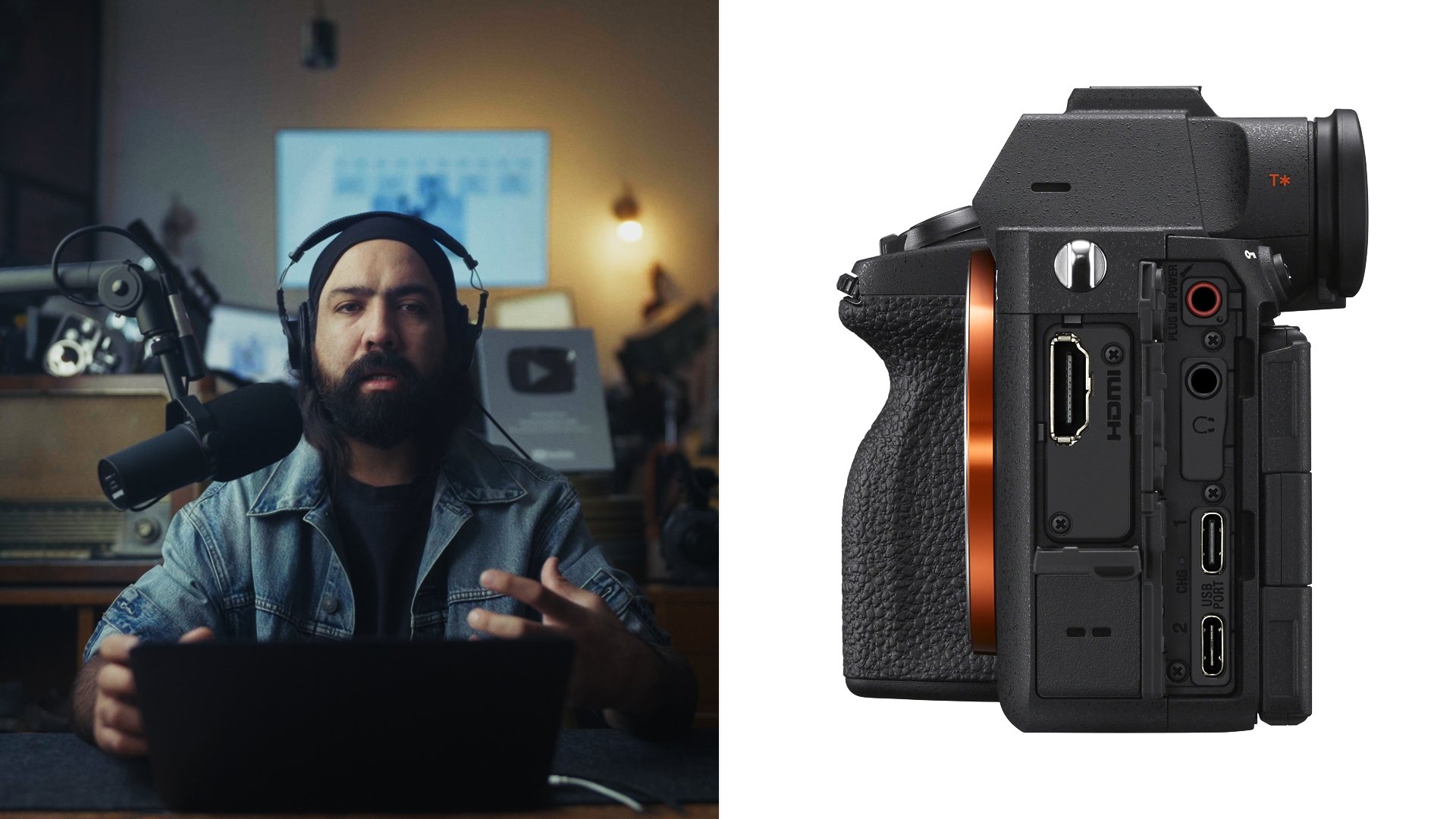
That said, some advanced users — cinematographers especially — point to the lack of internal RAW, open gate or more robust codecs that you do get in the FX line. Others question the price relative to the a7 IV, given the resolution stays the same and the improvements, while useful, aren’t revolutionary. Even so, for anyone after a balanced, portable, technically up-to-date tool, the a7V reads as a solid, coherent choice.
A discount for you at Sony Store (all of LATAM): use code SONYCACHE. Want an extra 10%? SONYCACHE10 activates only a few days each month and only on the priciest gear — worth hunting. And if you are making a personal or company purchase, write me and I will help you get a better deal.
Comments
Sign in to comment