
Anamorphic Lenses with Autofocus
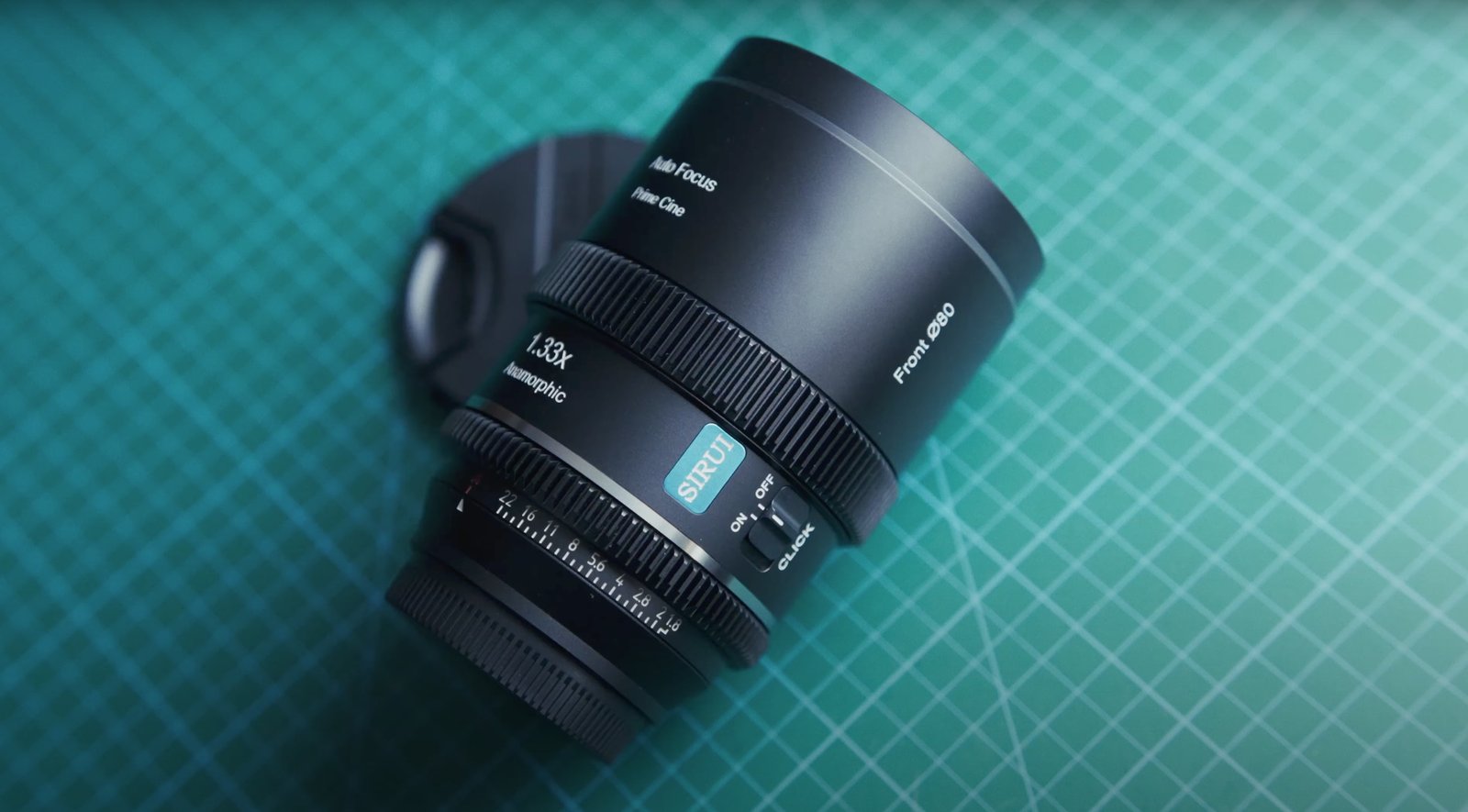
Anamorphic lenses have always been a key tool in cinematography, giving you that widescreen, cinematic look that has defined great films. But most of them have been manual focus, which meant having a focus puller or precise focus control. Now, with the Sirui 40mm T1.8 1.33x S35 AF, the brand introduces an anamorphic lens with autofocus, making it easier to use on leaner productions and smaller crews.
In this article we look at its features, advantages and how it can change the way you shoot projects with an anamorphic aesthetic.
What is an anamorphic lens, and why is it special?
Anamorphic lenses horizontally compress the image (squeeze) onto the camera sensor, to then be expanded in post (desqueeze). That gives you:
✔ A wider field of view without needing larger sensors. ✔ A more cinematic aspect ratio, usually 2.35:1 or 2.4:1. ✔ Distinctive visual effects, like elongated flares and oval bokeh.
In this case, the Sirui 40mm T1.8 has a 1.33x squeeze factor, which turns a standard 16:9 sensor into a more widescreen format — ideal for anyone after a cinematic look without crops or post adaptations.
Main features of the Sirui 40mm T1.8 AF
🔹 Autofocus: a revolution in anamorphic lenses
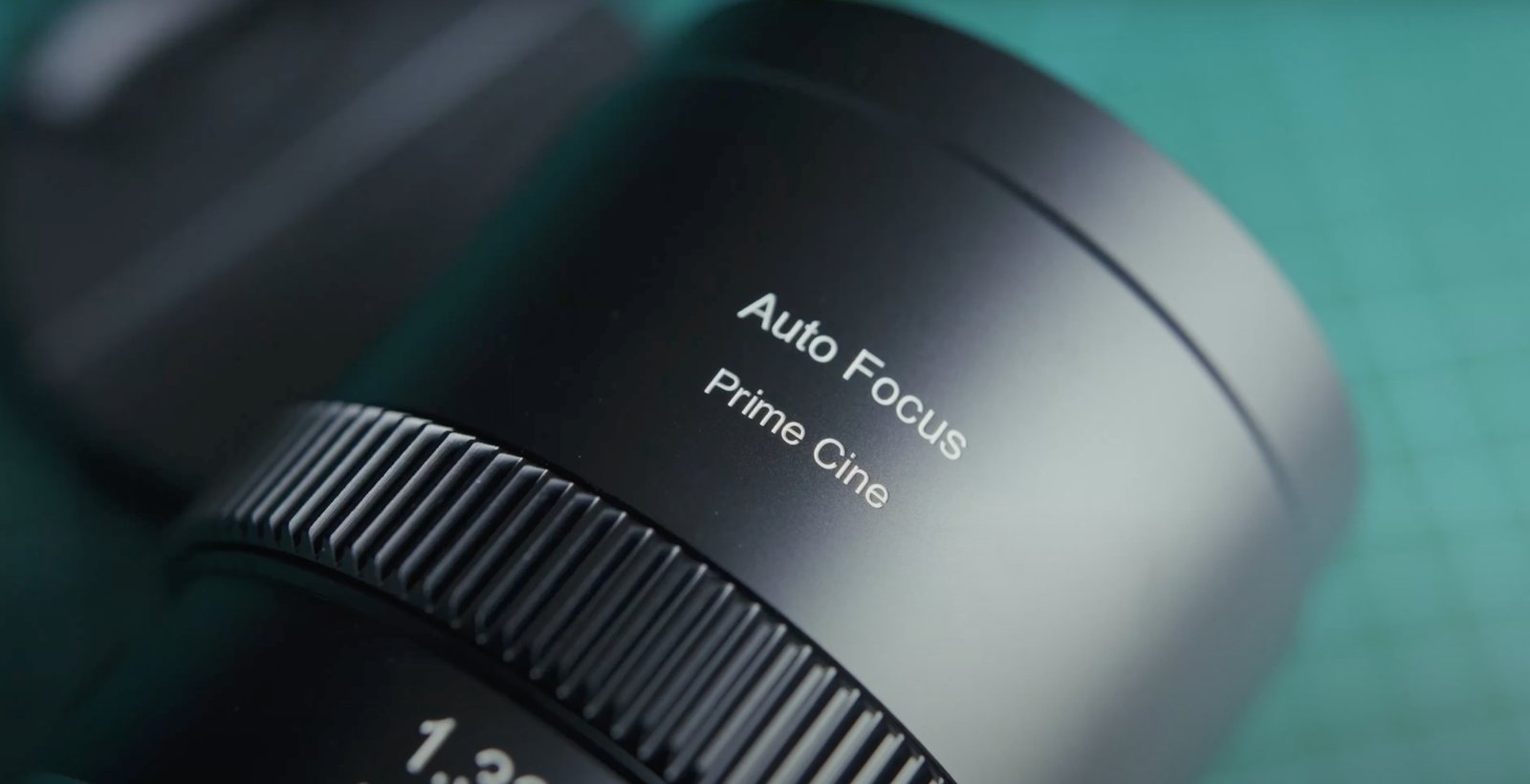
One of the most notable advances is autofocus. Until now, most anamorphic lenses were strictly manual focus, which complicated work in dynamic scenes or productions where the operator works alone.
With this new system: ✔ Filmmakers can capture moving shots without worrying so much about focus. ✔ Ideal for one-person productions, documentaries or quick shots. ✔ You can take better advantage of the T1.8 depth of field without fear of losing focus.
Even so, the lens still offers a good gear setup for manual focus, so anyone who prefers tighter control can keep working with traditional methods.
🔹 1.33x squeeze ratio
The 1.33x squeeze factor turns standard 16:9 into a more widescreen format, without going as extreme as 2x anamorphics — which makes it more versatile for mixed productions (film, ads, digital content).
Benefits of this squeeze ratio: ✔ Wider field of view without changing focal length. ✔ Anamorphic look without excessive distortion. ✔ Compatible with S35 sensors without big crops.
🔹 Fast T1.8 aperture
The T1.8 aperture captures plenty of light, ideal for: ✔ Low-light situations. ✔ More subject-background separation thanks to its characteristic bokeh. ✔ Cinematic depth effects without high ISO.
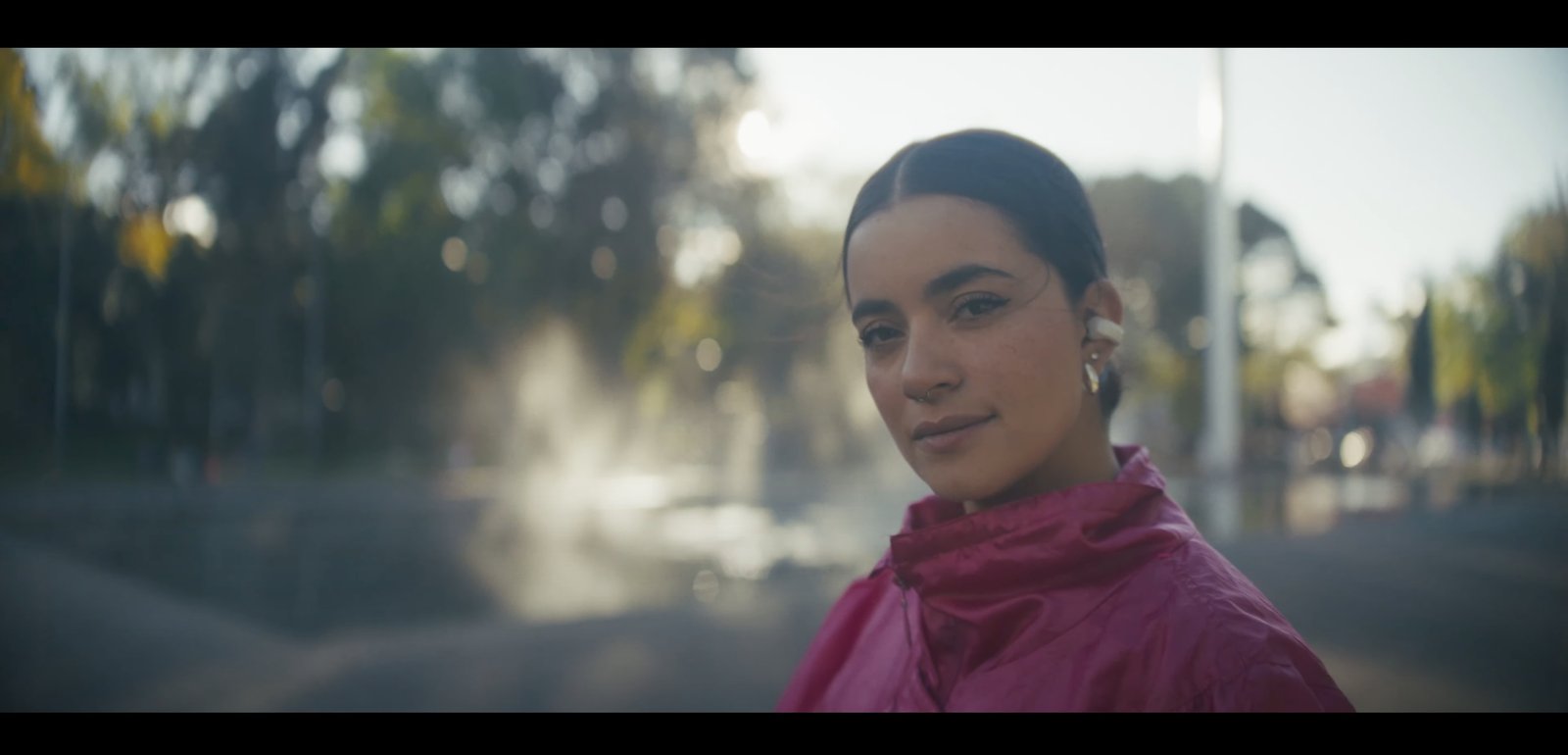
On top of that, the bokeh on this lens is oval, with the classic anamorphic aesthetic, creating a more immersive image with a natural sense of depth.
🔹 Optical traits: elongated flare and cinematic bokeh
Anamorphic lenses are known for their distinctive horizontal flares and compressed bokeh.
-
Elongated flare: the Sirui 40mm produces stretched reflections when a strong light source hits the frame, giving that sci-fi or vintage film effect.
-
Squashed bokeh: unlike spherical lenses, the out-of-focus areas on anamorphics look more oval and less circular, contributing to a more cinematic look.
These elements have been used in countless films to create a more artistic, emotional aesthetic.
Who is the Sirui 40mm T1.8 AF for?
This lens is ideal for:
🎥 Independent filmmakers after an anamorphic look without expensive gear. 📹 Content creators who want a cinematic aesthetic without sacrificing speed. 🎞 Videographers and documentarians who need the ease of autofocus without losing image quality. 🎬 Low-budget productions that want to take advantage of the wider field of view without changing sensors.
Its autofocus makes it perfect for dynamic shoots, interviews and moving scenes, where keeping manual focus would be a challenge.
Conclusion: is the Sirui 40mm T1.8 AF worth it?
The Sirui 40mm T1.8 1.33x S35 AF is a milestone in the evolution of anamorphic lenses by bringing autofocus to an accessible, versatile format.
✔ Pros: ✅ Fast, precise autofocus. ✅ Authentic cinematic look. ✅ Oval bokeh and anamorphic flares. ✅ 1.33x squeeze ideal for digital content and film. ✅ Fast T1.8 aperture for low light and background separation.
❌ Cons: 🔸 Less anamorphic compression than a traditional 2x. 🔸 Autofocus may not be as precise in certain extreme conditions.
If you’re after an accessible, easy-to-use anamorphic lens with professional quality, this is an excellent option to add to your kit.
What do you think about anamorphic lenses with autofocus? Do you think they’ll change the way independent projects get shot? Drop a comment and let’s talk about the future of digital cinema. 🎬✨
Comments
Sign in to comment