
AI, Virtual Production and New Narratives
Film is changing fast. Artificial intelligence (AI), virtual production and the convergence with video games are redefining how movies are created, produced and consumed. In this article we look at the impact of these technologies on the industry, the opportunities and challenges, and how filmmakers can adapt to this new era.
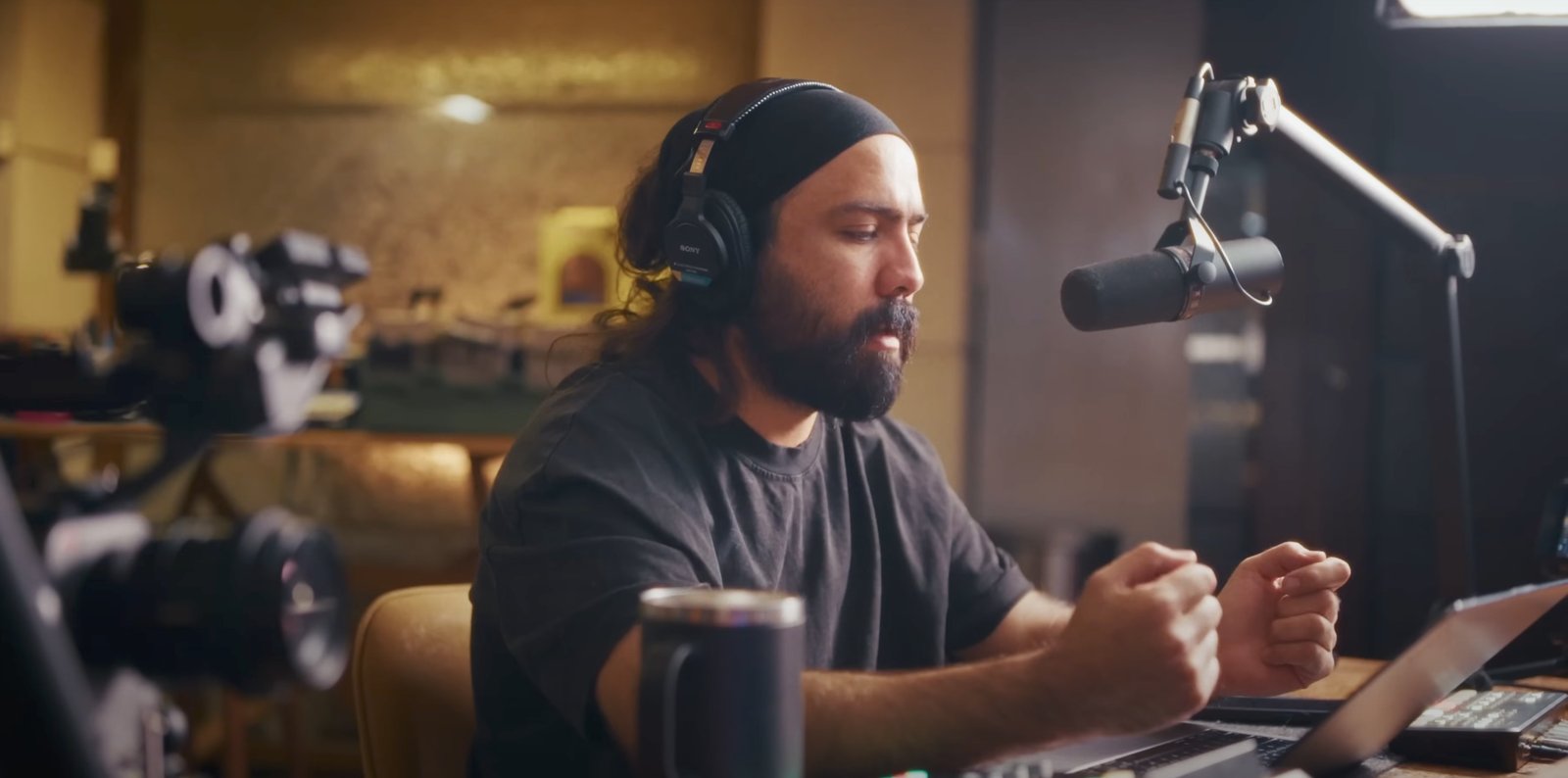
AI in Film: Tool or Threat?
AI has hit the film industry hard. From scriptwriting to image and video generation, it’s transforming traditional workflows. But what does that mean for filmmakers?
Process automation and new tools
AI can already do tasks that used to take hours of manual work:
-
Scriptwriting: models like ChatGPT or Claude can help structure scripts, analyze plots and generate ideas.
-
Previs and storyboarding: tools like Midjourney or Stable Diffusion generate concept images in seconds.
-
Editing and post: software like Adobe Firefly and Runway AI speed up video editing and visual effects.
-
Video generation: models like Sora (OpenAI) and Veo 2 (Google) are starting to create realistic clips from text.
These advances can make production faster and more accessible, but they also raise questions about creativity and authorship.
Virtual Production and the Convergence with Video Games
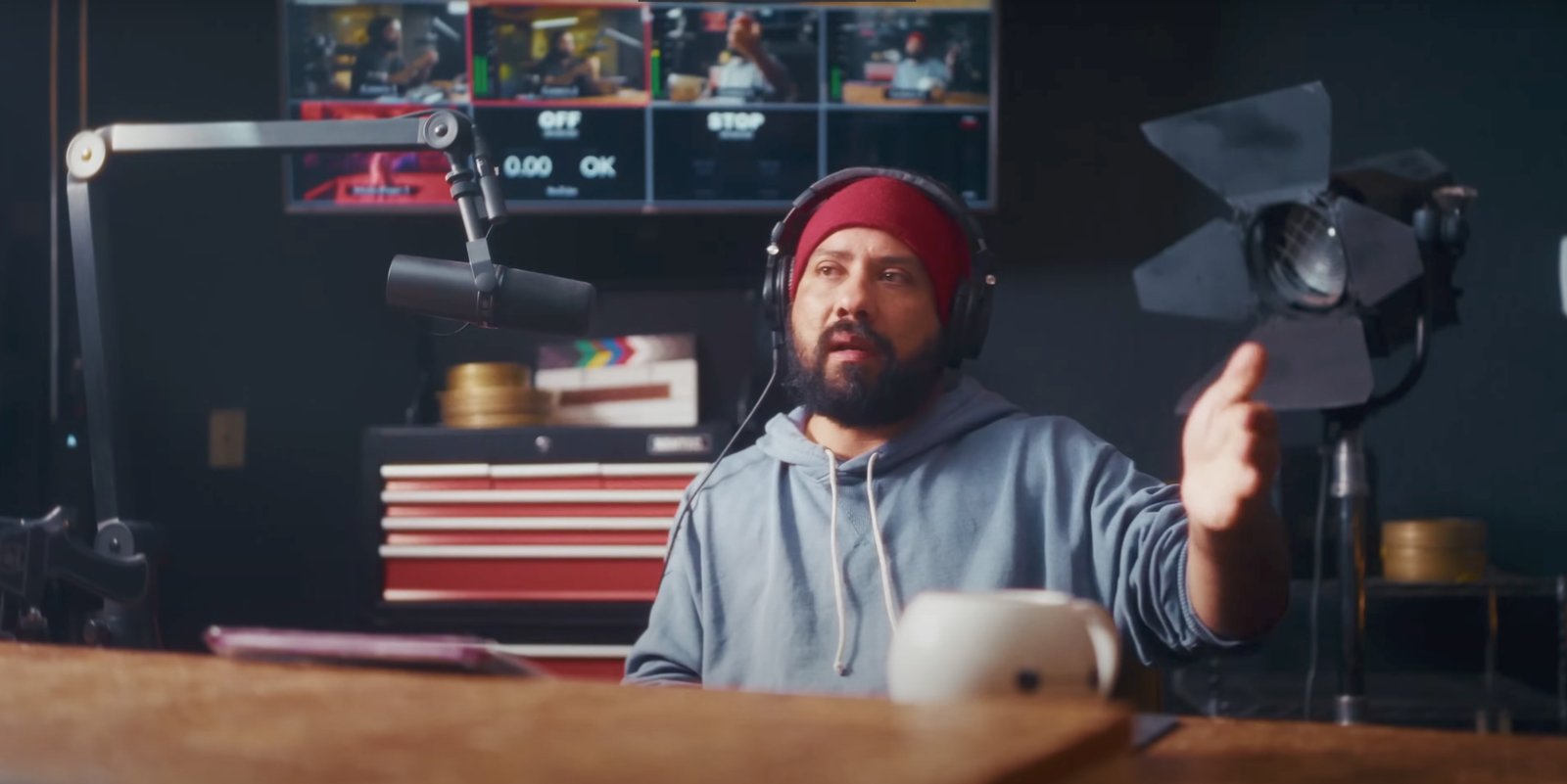
Film and video games are more connected than ever thanks to virtual production. Juan Blanco, a technical artist and game-studio director, puts it plainly: “I think it’s the perfect moment in the history of the world to complete the link between film and video games.”
What is virtual production?
Virtual production combines real-time 3D graphics with traditional filmmaking techniques. It’s become popular on big productions like The Mandalorian, where digital environments replace physical sets.
The advantages include: ✔ Creative flexibility: directors can change virtual locations in real time. ✔ Lower production costs: less spend on physical sets and locations. ✔ More control over lighting and atmosphere.
That said, the evolution of AI suggests virtual production may be just an intermediate step before generative video becomes the norm.
Generative video: the next step?
Models like Sora and Veo 2 are showing that AI video generation is getting closer to reality. With enough control over virtual cameras, lighting and motion, in a few years traditional shooting may no longer be the only way to make film.
Some challenges: ⚠ Motion physics: models still struggle with realistic camera moves. ⚠ Actor expressiveness: AI still can’t perfectly replicate human emotion. ⚠ Ethics and copyright: who owns an AI-generated video?
Despite the limits, many filmmakers are already experimenting with AI to make short films and animation without traditional shoots.
AI and Art: The End of Human Creativity?
One of the biggest debates around AI in film is its impact on human creativity. Is it taking our jobs, or giving us tools to expand our artistic vision?
The artist’s pride and adapting to tech
Juan Blanco notes that many creators see AI as a threat:
“If you think you have to stop making art because AI does it better than you, you’re missing the point of art. Art is for getting to know yourself and expressing what’s inside you.”
AI doesn’t replace creativity, but it is changing how artists work. A filmmaker can now: 🔹 Create previs of scenes before shooting. 🔹 Experiment with visual styles without relying on illustrators. 🔹 Use AI to generate environments, effects and animation faster.
Still, there’s a thin line between using AI as a creative tool and depending on it entirely for production.
Generative Narrative and the Impact on Screenwriters
Another point of discussion is AI scriptwriting. Tools like ChatGPT can help structure scripts and analyze plots, but how far is it valid to use AI to write a story?
✔ Use it as an assistant: AI can help fix structure, dialogue or narrative consistency. ✖ Depend on it entirely: a script should reflect human experience, something AI still can’t fully replicate.
The dilemma is similar to the one photographers faced with Photoshop or musicians with synthesizers: is it valid to use technology to optimize the creative process? The answer depends on how you use it.
AI in Sound and Music
AI’s impact also reaches music and sound post. Current applications include:
🎼 Original music generation: platforms like Suno and Udio create full songs from text. 🎙 Voice synthesis: tools like ElevenLabs can imitate human voices for dubbing and voiceover. 🔊 Sound-effect creation: models like Nvidia’s Fugatto can generate dynamic ambient effects.
The ability to create music and effects without musicians or sound designers raises an ethical dilemma: is production being democratized, or are artists being replaced?
Augmented Reality and the Cinema of the Future
The combination of film and AI isn’t just transforming production — it’s changing how we experience movies. With AR devices like the Ray-Ban Meta and Apple Vision Pro, cinematic experiences could become more immersive and interactive.
Some future scenarios: 📱 Interactive AR films, where viewers change the course of the story. 🎭 Custom digital actors, built from AI and hyper-real 3D models. 🕶 Screenless cinema, projected directly onto mixed-reality devices.
Conclusion: How to Adapt to This New Era of Film?
The future of film is changing fast. AI, virtual production and the convergence with games are redefining the industry. For filmmakers, the challenge isn’t resisting the technology — it’s learning to use it creatively and ethically.
🔹 Explore the available tools: get to know Midjourney, Runway AI or Sora to understand what’s possible. 🔹 Develop your own artistic identity: tech is a tool, but the filmmaker’s vision stays unique. 🔹 Adapt to change without losing the essence of film: stories are still what matters most, regardless of the tech used.
In the end, art and technology have always gone hand in hand. The key is finding a balance where AI amplifies human creativity instead of replacing it.
Are we ready for this shift? The conversation is just beginning.
An extra for you: if you are experimenting with AI for video, my Higgsfield link gets you discounts and promos to start — and using it supports this work.
Comments
Sign in to comment