
Redefining Night Exposure in Film: The Art of Using S-Log3 in “Day for Night”
Intro: in modern film, shooting techniques have evolved noticeably. With advanced technology, filmmakers now have more tools to portray night in innovative ways. In this article we explore how the “Day for Night” technique, combined with S-Log3, opens new possibilities in night cinematography.
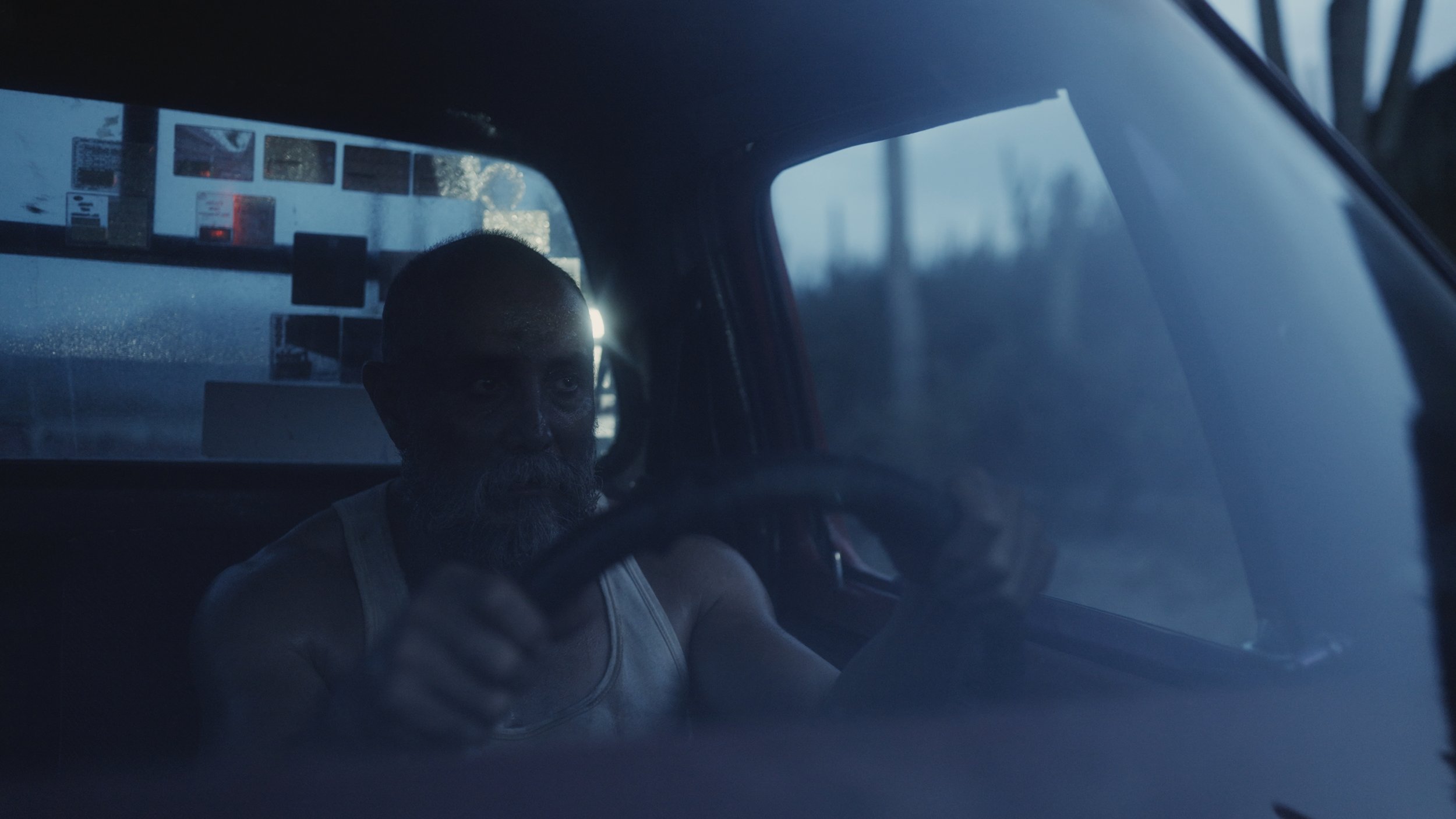
The challenge of naturalistic night: on the short film “Censo,” we went with a naturalistic approach to portray night. Faced with the challenge of lighting an entire desert at night, we decided to take advantage of the perfect light angles and the exposure balance between practical lights and the global illumination of twilight — specifically nautical twilight. That choice let us keep an impressive visual realism without blowing the budget.
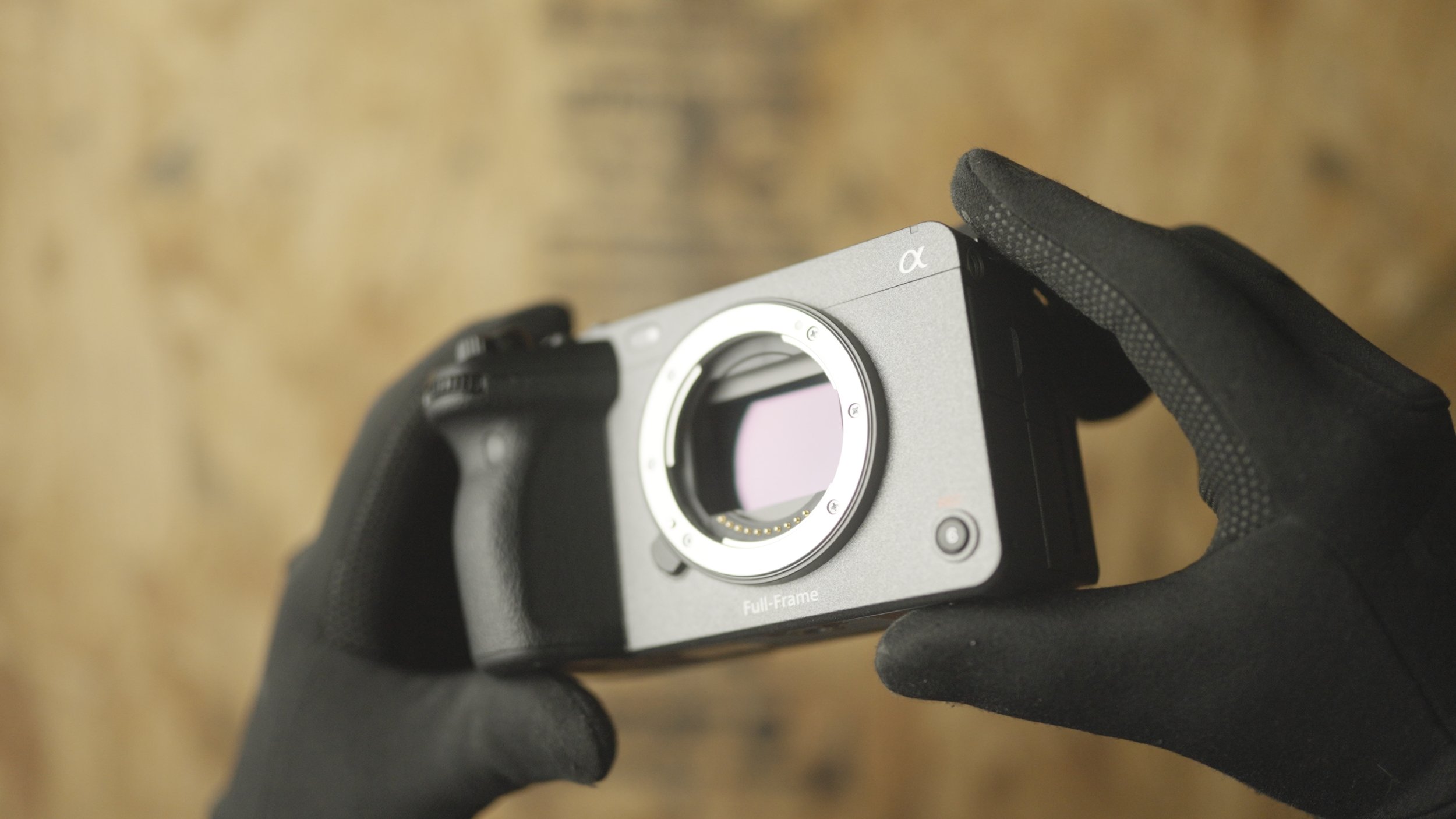
Technique and gear: to achieve this effect, we used cameras like Sony’s FX3 and A7S III, known for their high sensitivity. That let us capture night images with exceptional detail and contrast, even in limited light.
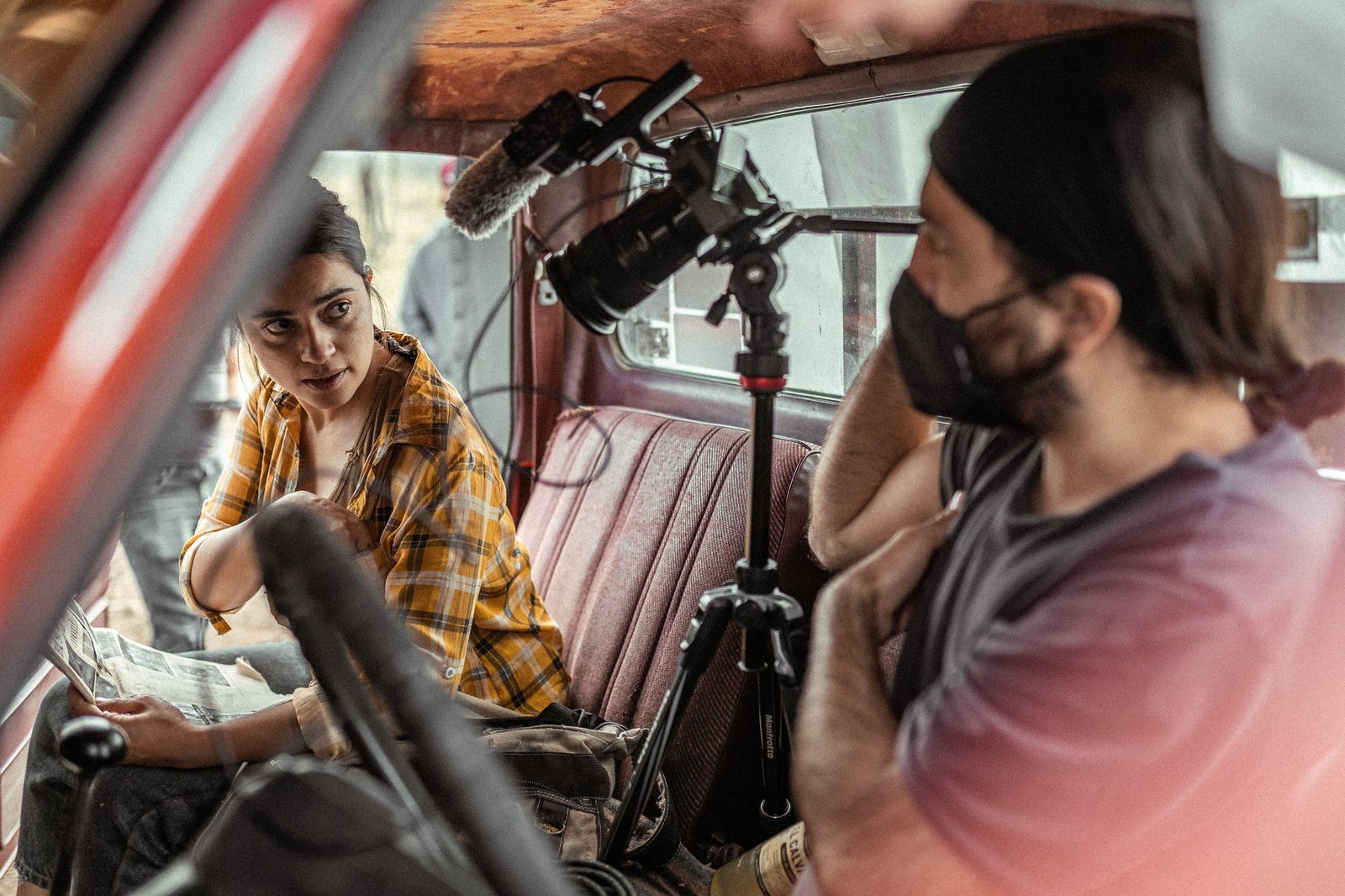
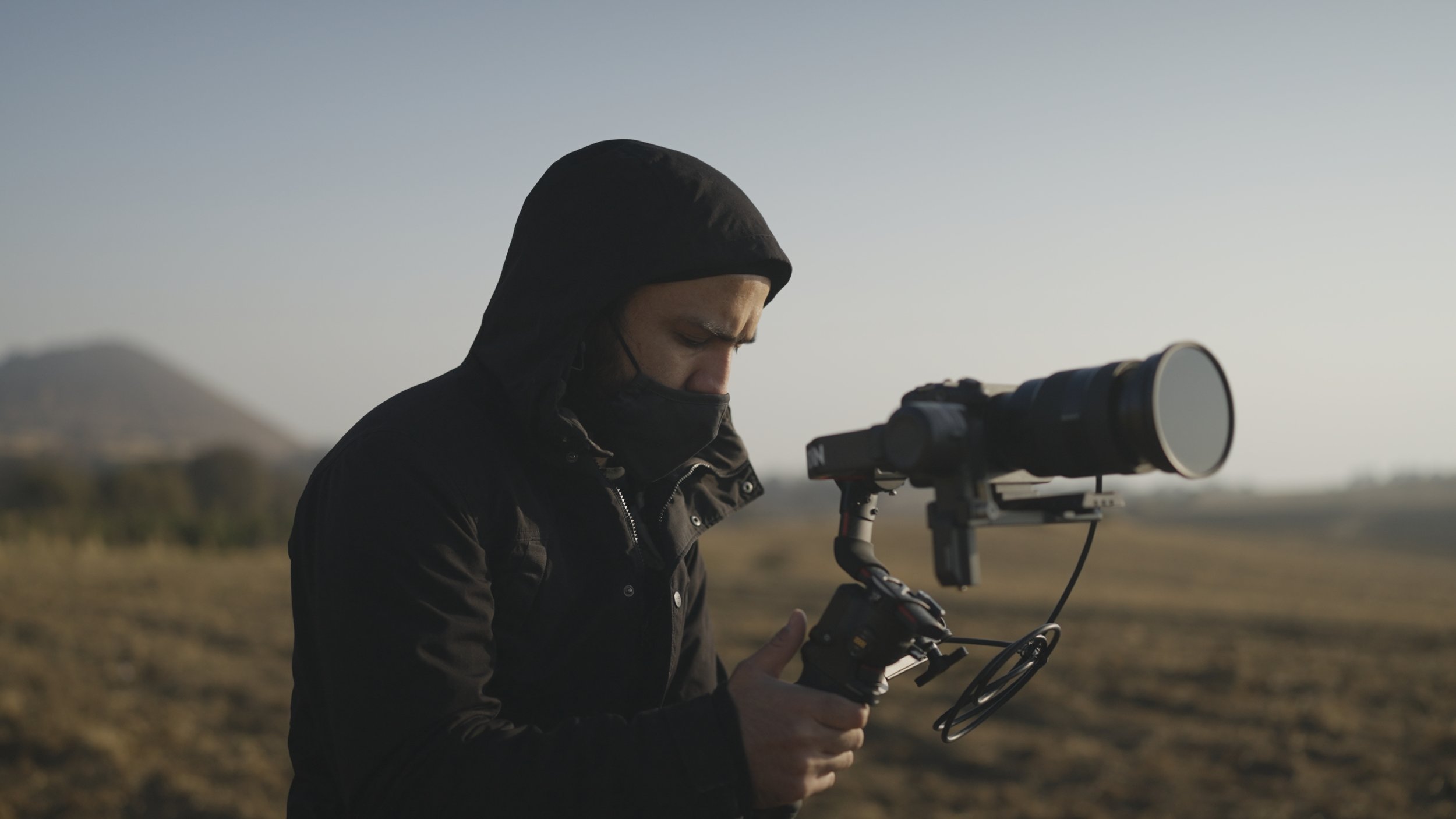
Exposure and digital composition: it’s crucial to seek a realistic rendering of the sky, looking for compositions that include clouds and natural gradients. In modern cinematography, we light with smart decisions — taking advantage of the Earth’s rotation, the angle and the shooting schedule, not just artificial lights. The most important thing is finding the look that best fits the story and the visual approach of the project.
Focus on post: in an upcoming article we’ll explore the post and exposure processes in more detail, offering a deeper look at how to maximize these techniques on your own film projects.
Here we chose to portray night naturalistically. It’s an IMCINE (Instituto Mexicano de Cinematografía) short, and even with a budget, no budget is enough to light an entire desert at night in layers without falling into the pictorial — so we preferred to find the perfect light angles, the exposure balance between practical lights and the global illumination of twilight, specifically nautical twilight. That lasts only a few minutes at our latitude, so we extended the call days to work in dawn and dusk twilight. Keeping the contrast in-camera, you can find an exposure thanks to the sensitivity of modern cameras — we used the ILME FX3 and ILCE a7S III.
This is just one shot that also shows a bit of exposure and digital composition. It’s important to look for a realistic rendering of the sky — that your composition seeks realism with clouds and gradients. What I mean is that in film you light with decisions, with the Earth’s rotation, with the angle and the shooting schedule — not necessarily with lights. But the most important thing is to find the look that best fits your story and your visual approach.
What do you think?

Summary
-
💡 Today’s technology lets you portray night differently, without being limited to archaic techniques.
-
🎥 In the short film Descenso, night is portrayed with a naturalistic approach, without lighting the whole desert.
-
🌅 The exposure balance is found between practical lights and the global illumination of twilight.
-
🎞️ The exposure is achieved thanks to the sensitivity of modern cameras, like the FX3 and a7S III.
-
🌌 In film, you light with decisions and light angles, with the shooting schedule.
Comments
Sign in to comment